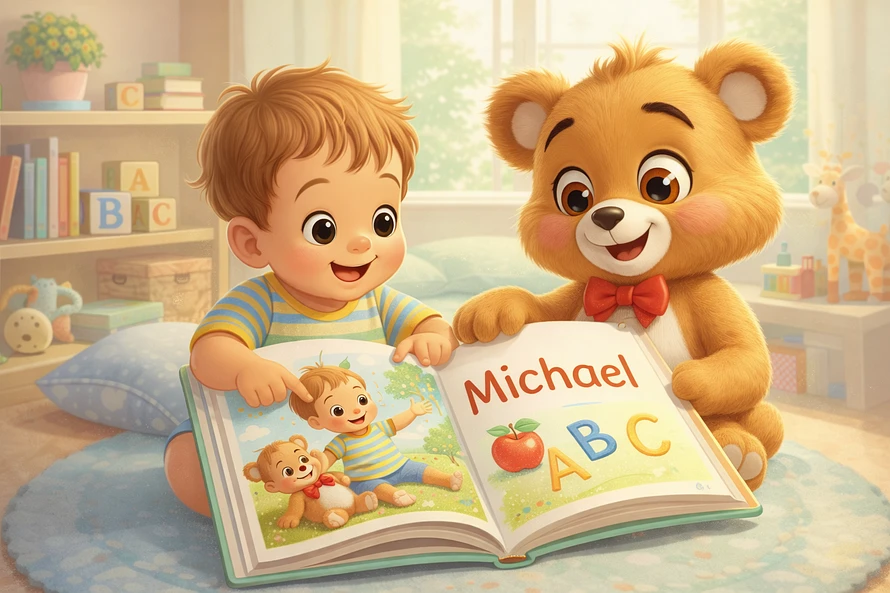
By Books.RhodaOnlineMarketing.com – Educational Children’s Books for Early Learners
At Books.RhodaOnlineMarketing.com, we specialize exclusively in educational children’s books for toddlers ages 2–4, including personalized ABC books, early readers, coloring books, and activity-based storybooks.
Our approach is rooted in early childhood education principles, developmental psychology, and hands-on experience creating books designed specifically for how toddlers learn best.
This article explains why personalized children’s books are especially effective during early development, and how they support learning outcomes that generic books often miss.
Educational Summary (EEAT Signal)
Personalized children’s books improve early learning outcomes for toddlers ages 2–4 by increasing engagement, strengthening language development, supporting memory retention, and building confidence during a critical developmental stage.
Why Ages 2–4 Matter in Early Learning
Between ages 2 and 4, toddlers experience rapid growth in:
-
Vocabulary and speech development
-
Cognitive processing and memory
-
Emotional awareness
-
Self-recognition and identity formation
According to widely accepted early childhood education frameworks, children in this age range learn best through:
-
Repetition
-
Familiarity
-
Emotional connection
-
Visual reinforcement
This is why personalization plays such a powerful role.
What Are Personalized Children’s Books?
Personalized children’s books are story-based learning tools that include a child’s:
-
Name
-
Character likeness
-
Familiar experiences
Instead of observing a story, the child becomes the active participant.
At Books.RhodaOnlineMarketing.com, our personalized books are intentionally designed to support:
-
Early literacy
-
Listening comprehension
-
Confidence building
-
Positive associations with reading
How Personalized Children’s Books Support Toddler Learning
1. Increased Engagement and Attention Span
Toddlers naturally focus longer on content that feels familiar and meaningful.
When children see:
-
Their own name
-
A character that looks like them
They are more likely to:
-
Stay engaged during storytime
-
Ask questions
-
Request repeated readings
Repeated exposure is a cornerstone of early learning.
2. Stronger Language Development
Personalized books support language growth by:
-
Reinforcing name recognition
-
Encouraging word repetition
-
Improving listening comprehension
-
Supporting early phonics awareness
At this stage, toddlers learn language primarily through listening and repetition, not reading independently.
3. Better Memory Retention Through Emotional Connection
Emotion and memory are closely linked in early childhood.
Personalized stories create excitement and recognition, which:
-
Improves recall
-
Encourages repeated reading
-
Builds a positive relationship with books
This makes learning more effective and longer-lasting.
4. Builds Confidence and Self-Identity
Toddlers begin forming their sense of self between ages 2–4.
Seeing themselves as:
-
The main character
-
A learner
-
A problem-solver
Helps build:
-
Confidence
-
Emotional security
-
A positive self-image
This aligns with our mission at Books.RhodaOnlineMarketing.com: helping children see themselves as capable learners from the start.
5. Supports Early Literacy Before Reading Begins
Even before children can read independently, personalized books support:
-
Print awareness
-
Story sequencing
-
Listening skills
-
Comprehension development
These skills are strong predictors of later reading success.
Personalized Books vs Generic Children’s Books
Learning Factor Generic Books Personalized Books Engagement Moderate High Emotional connection Limited Strong Repetition Occasional Frequent Name recognition No Yes Confidence building Minimal SignificantThis is why we design our books specifically for individualized learning, not mass storytelling.
Why Parents Trust Books.RhodaOnlineMarketing.com
Parents choose our books because:
-
They are designed specifically for toddlers ages 2–4
-
Language and pacing are developmentally appropriate
-
Stories combine education, imagination, and gentle morals
-
Books support screen-free learning at home
Our collections—including personalized ABC books, activity books, and storybooks featuring characters like Barnaby Bear—are created with learning first.
👉 Internal link suggestion:
Explore Personalized Children’s Books
Final Expert Takeaway
Personalized children’s books are evidence-based learning tools, not novelty products.
When toddlers see themselves in a story, learning becomes:
-
Personal
-
Memorable
-
Emotionally meaningful
For children ages 2–4, this approach builds a stronger foundation for:
-
Language development
-
Reading readiness
-
Confidence
-
Lifelong learning habits
FAQ: Personalized Children’s Books
What age benefits most from personalized children’s books?
Personalized children’s books are most effective for toddlers ages 2–4, when self-recognition and language skills are rapidly developing.
Are personalized books educational?
Yes. When designed correctly, personalized books support early literacy, listening skills, memory retention, and confidence building.
Are personalized books better than traditional books?
Personalized books work best alongside traditional books, enhancing engagement and learning outcomes through familiarity and repetition.
Do personalized books help children who can’t read yet?
Yes. Toddlers benefit through listening, interaction, and visual recognition well before independent reading begins.